

What the study found
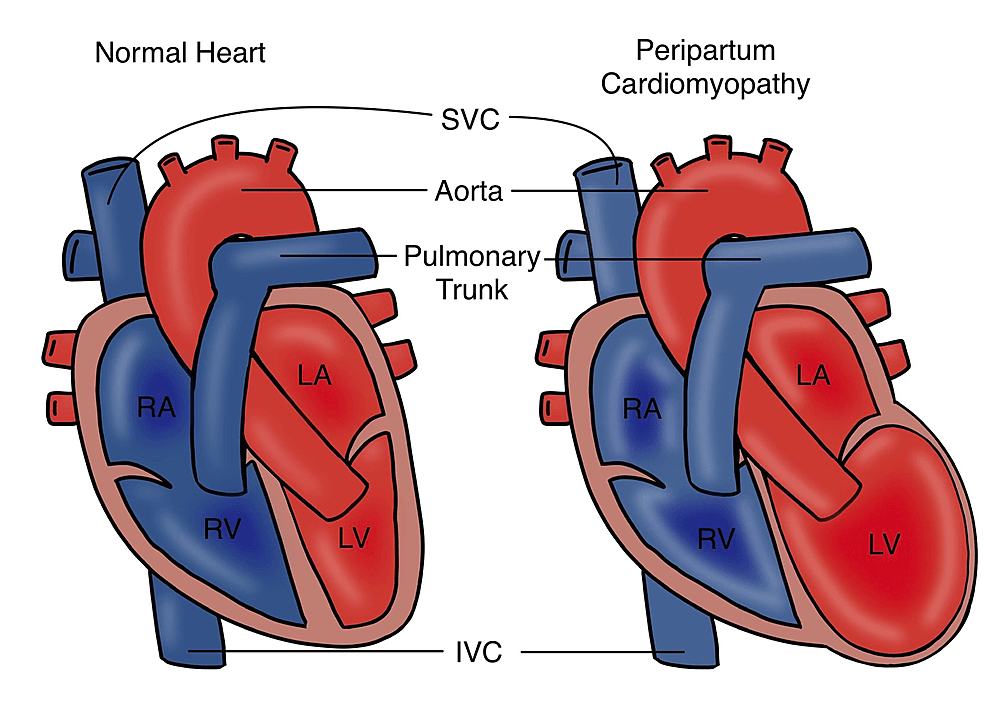
The study found that the incidence of peripartum cardiomyopathy (PPCM, a heart muscle condition that occurs around pregnancy) in West Norway was relatively low. Higher pre-pregnancy body mass index and elevated systolic blood pressure were identified as predictors of PPCM, and all patients experienced successful clinical and left ventricular (LV) function recovery.
Why the authors say this matters
The authors conclude that higher pre-pregnancy body mass index and elevated systolic blood pressure are important modifiable cardiovascular risk factors, and they suggest that future large collaborative studies are needed to provide a reliable nationwide description of incidence and outcomes.
What the researchers tested
The researchers examined incidence, characteristics, and long-term outcomes of PPCM in the Bergen peripartum cardiomyopathy study in West Norway. The abstract does not provide further detail on the study design, sample size, or follow-up methods.
What worked and what didn't
The study reported a relatively low incidence of PPCM in the region. Higher pre-pregnancy BMI and elevated systolic blood pressure were associated with PPCM, and all patients had successful clinical and LV function recovery.
What to keep in mind
The abstract does not describe detailed limitations, study size, or the full methods used. The authors note that future large collaborative studies are necessary to describe incidence and outcomes nationwide.
Key points
- Peripartum cardiomyopathy incidence was relatively low in this West-Norwegian study.
- Higher pre-pregnancy body mass index and elevated systolic blood pressure predicted PPCM.
- All patients experienced successful clinical recovery and left ventricular function recovery.
- The authors describe pre-pregnancy BMI and systolic blood pressure as modifiable cardiovascular risk factors.
- The abstract calls for larger collaborative studies to describe nationwide incidence and outcomes.
Disclosure
- Research title:
- West-Norwegian PPCM incidence was low; recovery was successful
- Publication date:
- 2026-01-21
- OpenAlex record:
- View
- Image credit:
- Photo by Muhammad Sanusi on Wikimedia
Get the weekly research newsletter
Stay current with peer-reviewed research without reading academic papers — one filtered digest, every Friday.