

What the study found
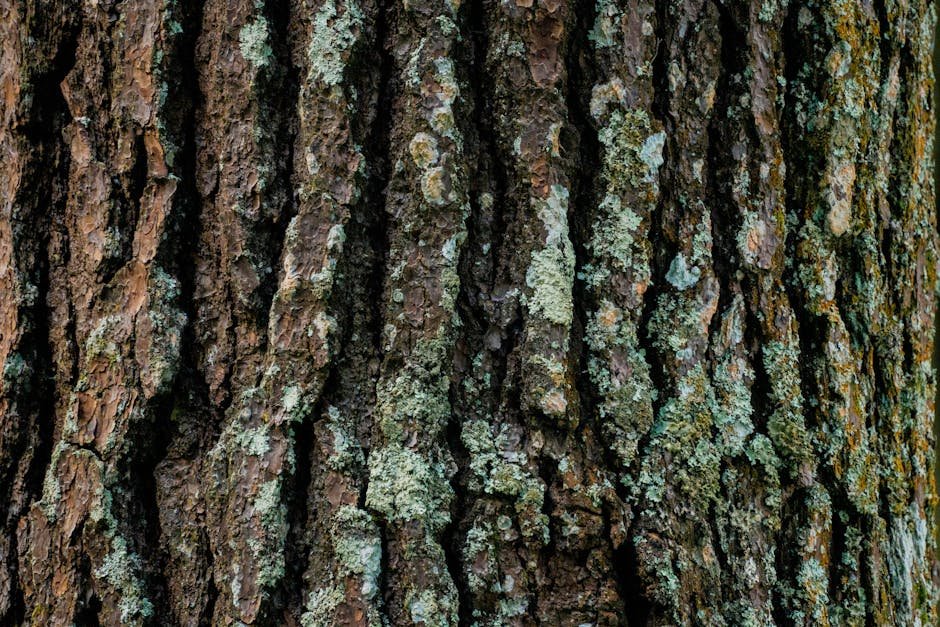
Bark on eight common Australian tree species hosts abundant and specialized microbial communities. The authors report that these tree-dwelling microbes metabolize multiple climate-active gases, including methane, hydrogen, and carbon monoxide.
Why the authors say this matters
The study suggests that tree-dwelling microbiota may play a potentially substantial role in global atmospheric cycles. The authors conclude that this is important because the microbes act on climate-active gases within tree stems.
What the researchers tested
The researchers used gene-centric and genome-resolved metagenomics, which are DNA-based methods for identifying microbial genes and reconstructing genomes, to study bark microbiota from eight Australian tree species. They also carried out microcosm experiments and in situ field measurements.
What worked and what didn't
The predominant bacteria were hydrogen-cycling facultative anaerobes, meaning they can use oxygen when it is available but also live without it, and are adapted to changing redox and substrate conditions. Bark-associated methanotrophs, microbes that consume methane, were abundant and could coexist with hydrogenotrophic methanogens, microbes that produce methane.
What to keep in mind
The abstract does not give detailed limitations beyond the fact that the findings are from bark microbiota in eight Australian tree species. It also does not describe how broadly these results apply beyond the studied trees and settings.
Key points
- Bark from eight common Australian tree species contained abundant and specialized microbial communities.
- The dominant bacteria were hydrogen-cycling facultative anaerobes adapted to changing redox and substrate conditions.
- Bark-associated methanotrophs were abundant and could coexist with hydrogenotrophic methanogens.
- Microcosm experiments showed aerobic consumption of methane, hydrogen, and carbon monoxide at in planta concentrations.
- The microbes also produced these gases under anoxic conditions.
- Field measurements and experiments together showed bark microbiota metabolize climate-active gases within tree stems.
Disclosure
- Research title:
- Bark microbes in Australian forests metabolize climate-active gases
- Publication date:
- 2026-01-08
- OpenAlex record:
- View
- Image credit:
- Photo by Diego Girón on Pexels
Get the weekly research newsletter
Stay current with peer-reviewed research without reading academic papers — one filtered digest, every Friday.