

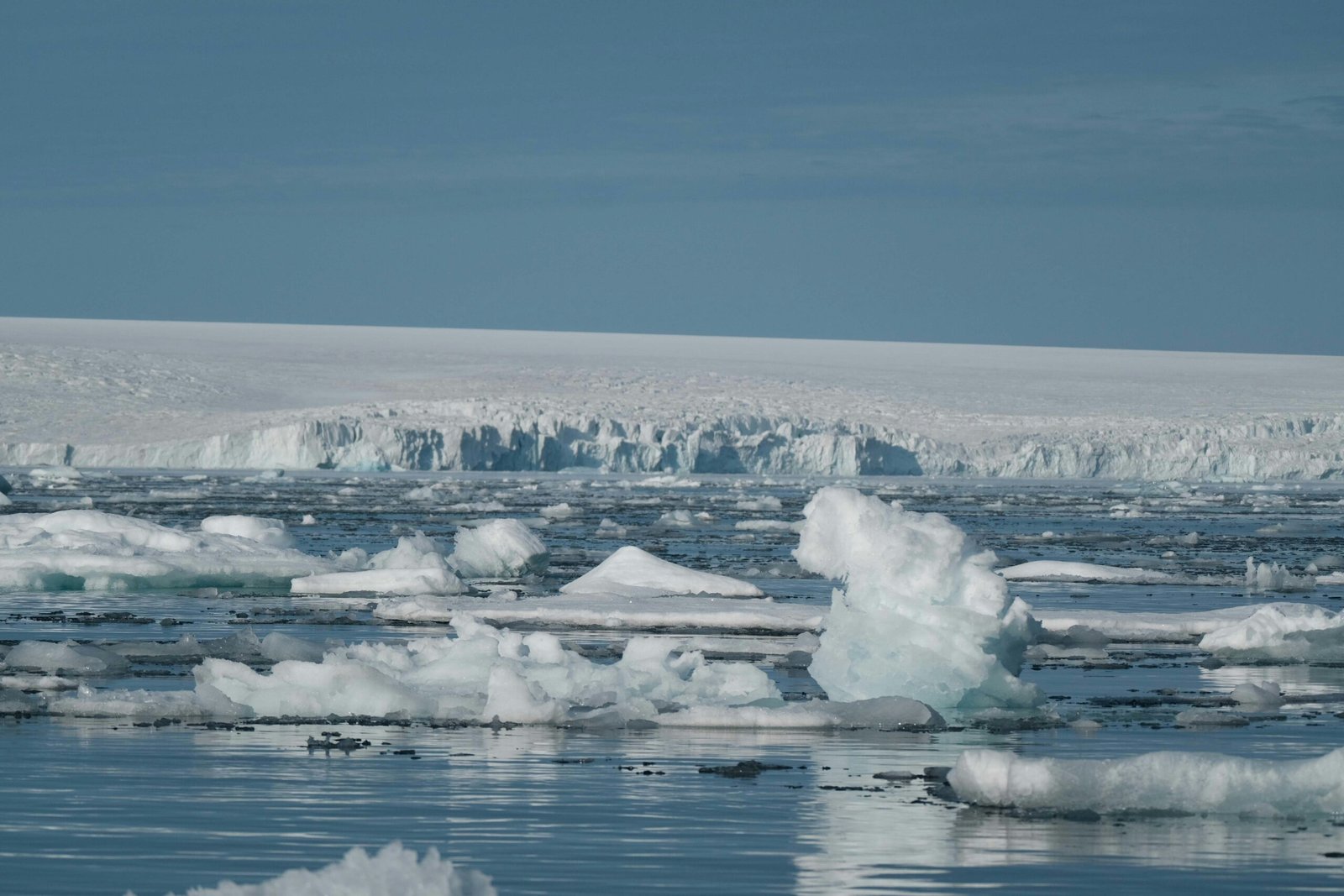
Researchers used a state-of-the-art atmospheric reanalysis covering the past seven decades to track extreme weather in the terrestrial Arctic. They found that many parts of the Arctic now experience a sharp rise in extreme events, with strong spatial differences over the last 30 years.
The study reports increased droughts in the high Arctic and more winter-warming and rain-on-snow events, especially in the European Arctic. About one-third of the Arctic has only recently begun to experience such extremes, indicating a new era of bioclimatic extremes with likely severe effects on cold ecosystems.
What the study examined
This research analyzed long-term atmospheric records—covering the past seven decades—to understand how extreme weather that affects land ecosystems in the Arctic has changed over time. The goal was to identify trends and geographic patterns in disturbances that can harm plants, animals, and landscape processes in cold regions.
The investigators focused on several types of disruptive events, including unusually dry periods, winter warming episodes, and rain-on-snow incidents that can alter snow and ice conditions and affect living organisms.
Key findings
The frequency of extreme weather events in many terrestrial parts of the Arctic has increased sharply over recent decades.
There is pronounced spatial variability: during the past 30 years some areas experienced more droughts—particularly in the high Arctic—while other areas saw larger extents affected by winter warming and rain-on-snow events, with such changes especially notable in the European Arctic region.
About one-third of the Arctic domain has begun to encounter these extreme events only recently, suggesting that many locations are entering conditions not commonly seen in earlier decades.
Why it matters
Rising and shifting extremes change the physical environment that cold-adapted plants and animals depend on. More frequent droughts, midwinter warm spells, and rain-on-snow events can disrupt growth cycles, food availability, and habitat stability in fragile Arctic ecosystems.
Because these changes are uneven across the region and have intensified recently across a large portion of the Arctic, the findings point to a broadened and changing risk of ecosystem disturbance. The authors describe this pattern as a new era of bioclimatic extremes, with likely severe consequences for life in the terrestrial Arctic.
Disclosure
- Research title: A new era of bioclimatic extremes in the terrestrial Arctic
- Authors: Juha Aalto, Matti Kämäräinen, Mika Rantanen, Pekka Niittynen, Gareth K. Phoenix, Jonathan Lenoir, Ilya M. D. Maclean, Miska Luoto
- Institutions: University of Helsinki, University of Jyväskylä, University of Sheffield, Ecologie et Dynamique des Systèmes Anthropisés, Université de Picardie Jules Verne, Centre National de la Recherche Scientifique
- Journal / venue: Science Advances (2026-01-07)
- DOI: 10.1126/sciadv.adw5698
- OpenAlex record: View on OpenAlex
- Links: Landing page
- Image credit: Image source: UNSPLASH (Source • License)
- Disclosure: This post was generated by Artificial Intelligence. The original authors did not write or review this post.