

What the study found
The authors argue that implantable artificial muscles (IAMs) need to be designed with surgery in mind, not just with their function in the body. They say the device should fit how it will be deployed, used, sterilized, packaged, and removed.
Why the authors say this matters
The study suggests that compatibility with endoscopic ports or the Seldinger technique, a method for placing devices using a wire and catheter, could support shorter hospital stays and quicker recovery. The authors conclude that implant developers should consider surgical approach, deployment, wear, fixation, avoidance of perioperative complications, and later removal.
What the researchers tested
This is an opinion review focused on how implant surgery may affect design, using implantable artificial muscles as the example. The authors consider placement, extraction, sterilization, and packaging as parts of the design problem.
What worked and what didn't
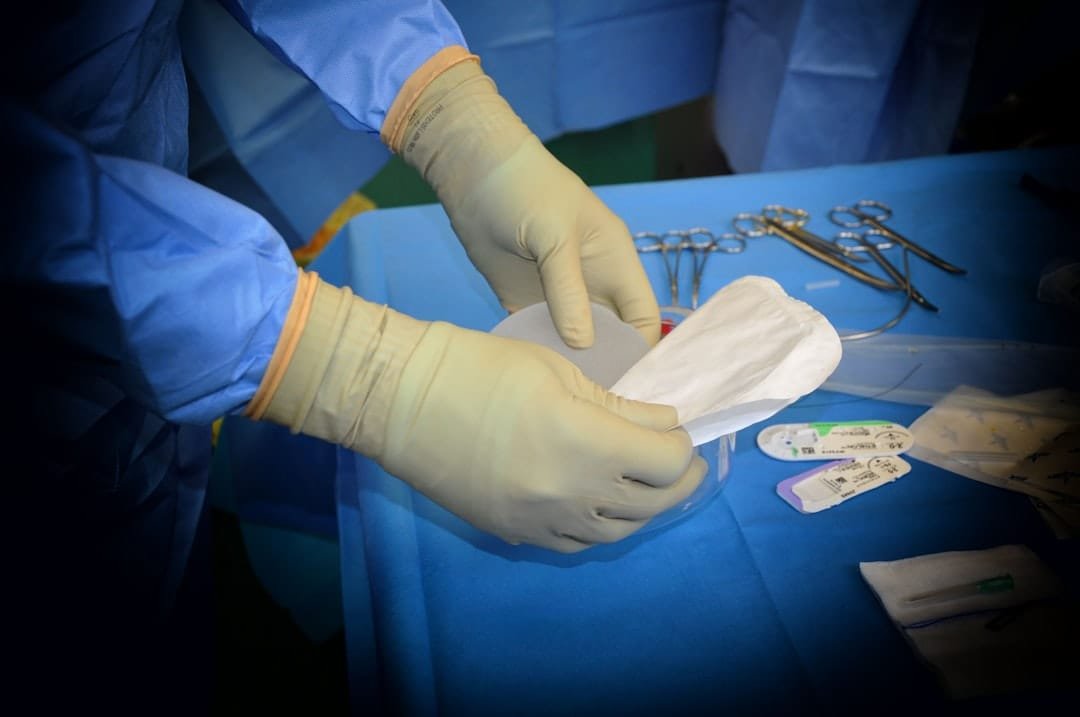
The abstract does not report experimental results. It states that an IAM device should have configurations suited to both deployment and use, and that it should be removable without damage to patient tissues using standard surgical equipment. It also says packaging must support sterile transfer to the operating table, because contamination can occur during that step.
What to keep in mind
This is a review and opinion paper, so the abstract does not describe new experimental data. The available summary does not give specific design tests, performance measures, or limitations beyond the general need to account for surgical constraints.
Key points
- Implantable artificial muscles should be designed with surgical placement and later removal in mind.
- The authors say compatibility with endoscopic ports or the Seldinger technique may support shorter hospital stays and quicker recovery.
- The implant should be removable without damaging patient tissues and using standard surgical equipment.
- Sterilization and packaging are both described as important design considerations.
- The abstract presents an opinion review, not experimental findings.
Disclosure
- Research title:
- Implant design must account for surgical placement and removal
- Image credit:
- Photo by philippe spitalier on Unsplash
Get the weekly research newsletter
Stay current with peer-reviewed research without reading academic papers — one filtered digest, every Friday.