

What the study found
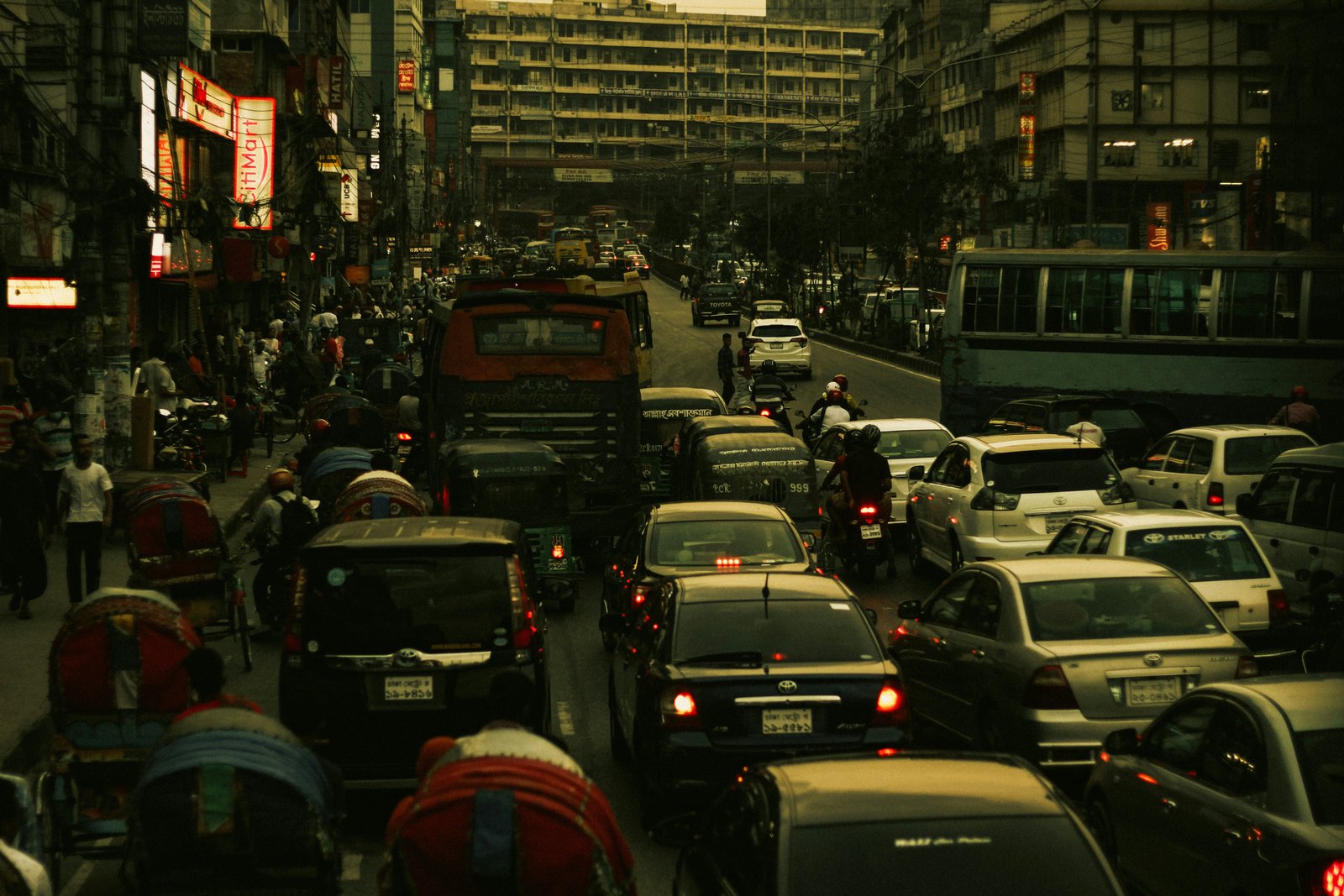
The study found that 41.8% of surveyed households in Khulna City, Bangladesh reported willingness to pay for improved air quality. Willingness to pay was more likely among households that perceived more air pollution, had respiratory illness, were closer to major roads, or had informal occupations.
Why the authors say this matters
The authors conclude that the findings provide local evidence to inform awareness actions and practical financing strategies for improving urban air quality in Bangladesh. The study suggests that risk perception, health experience, and exposure help shape how people value environmental improvements.
What the researchers tested
The researchers used face-to-face survey data from 385 households in Khulna City. They modeled willingness to pay as a binary outcome using logistic regression, which is a statistical method for outcomes with two possible states such as yes or no.
What worked and what didn't
Perceived air pollution, household respiratory illness, proximity to major roads, and engagement in informal occupations were significant positive predictors of willingness to pay. Lower educational attainment was associated with lower willingness to pay, while income and gender were not significant predictors. The model showed acceptable discrimination, with ROC–AUC of 0.72.
What to keep in mind
The abstract does not describe detailed limitations beyond the available summary. The findings are based on one city and on survey responses from 385 households, so the scope is limited to the study setting.
Key points
- 41.8% of respondents reported willingness to pay for improved air quality.
- Perceived air pollution and household respiratory illness were associated with higher willingness to pay.
- Living closer to major roads and working in informal occupations also increased willingness to pay.
- Lower educational attainment reduced willingness to pay.
- Income and gender were not significant predictors in the model.
- The logistic regression model had acceptable discrimination (ROC–AUC = 0.72).
Disclosure
- Research title:
- Household willingness to pay for cleaner air was linked to risk and exposure
- Authors:
- Tanvir Ahmed, Nure Jannat Arpa, Abdullah Al Zabir
- Institutions:
- Bangladesh Agricultural Research Institute, Khulna University, Khulna University
- Publication date:
- 2026-04-07
- OpenAlex record:
- View
- Image credit:
- Photo by Mahibul Hasan Fahim on Unsplash · Unsplash License
Get the weekly research newsletter
Stay current with peer-reviewed research without reading academic papers — one filtered digest, every Friday.